

Understanding the House Edge
The concept of the house edge is fundamental to understanding why casinos are often successful businesses. The house edge refers to the mathematical advantage that a casino has over players in any given game. This edge varies significantly from game to game; for instance, in slot machines, it can be as high as 15%, while in blackjack, it can be reduced to less than 1% if optimal strategies are employed. Players who seek to maximize their enjoyment often explore options like burritosbell.co.uk , where they can find entertainment beyond the typical gaming experience. Consequently, the house edge ensures that, over extended periods, the casino will make a profit while players may simply enjoy short-term wins.
Many players mistakenly believe that luck alone determines their wins or losses at a casino. While luck plays a role in the short term, the house edge is a consistent factor that gamblers cannot ignore. To illustrate, consider a player betting on a roulette wheel. Statistically, the odds of winning can be calculated, but the presence of the zero (or double zero) ensures that the house maintains its advantage. Understanding this concept is crucial for any player looking to improve their chances.
Moreover, it’s essential to recognize that the house edge is not inherently a negative aspect. It allows casinos to offer a plethora of games and entertainment while remaining profitable. Instead of viewing the house edge solely as an obstacle, players can think of it as a framework within which they can strategize their play. Some games offer better odds than others, which means informed players may choose specific games to play based on their understanding of the house edge.
Strategies for Beating the Odds
While it’s nearly impossible to completely beat the odds consistently in a casino environment, players can adopt certain strategies to maximize their chances of winning. For example, in poker, players have a significant amount of control over their outcomes depending on their skills and tactics. By mastering the art of bluffing and reading opponents, they can turn the odds slightly in their favor. Learning strategies specific to each game can be instrumental in enhancing one’s overall success.
In addition to skill-based games like poker, table games like blackjack offer strategic opportunities. Players can utilize techniques such as card counting to gain a better understanding of the cards remaining in the deck. Though these techniques require practice and are often frowned upon by casinos, they highlight how employing strategy can improve win percentages significantly. It’s this mix of skill and strategy that can occasionally lead to successful outcomes.
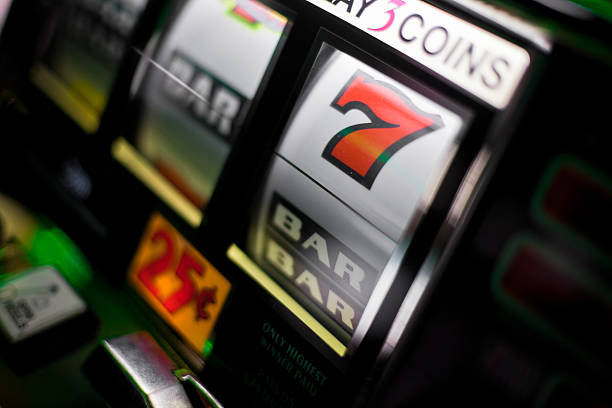
Moreover, smart bankroll management is crucial for any player who wishes to prolong their gaming experience. Setting limits and choosing games with favorable odds can make a substantial difference. When players understand how to allocate their funds wisely and choose the right moment to walk away, they’re more likely to enjoy their time at the casino without succumbing to the typical pitfalls that lead to loss.
The Role of Psychology in Gambling
The psychological aspect of gambling is a critical component when discussing beating casino odds. Many players fall victim to cognitive biases that can cloud their judgment. For example, the gambler’s fallacy—the belief that past losses will influence future outcomes—can lead players to make irrational decisions. Understanding these psychological traps is essential in mitigating their effects and keeping a clear head while gambling.
Another important psychological factor is the thrill of winning, which can create a dopamine rush that strengthens the desire to continue playing. This excitement can lead to impulsive betting, often resulting in greater losses. Being aware of these psychological effects can empower players to manage their emotions, which can lead to more rational decision-making in the heat of the moment.
Furthermore, the social environment of a casino can influence behavior as well. Peer pressure and the atmosphere of excitement may affect how much risk a player is willing to take. Recognizing how these social dynamics impact personal gambling habits can help individuals maintain control. Players who can remain level-headed and focused on their strategy are better equipped to make decisions that may lead to favorable outcomes.
Myths About Beating the Casino
Understanding common myths surrounding casino gaming can clarify misconceptions and help players focus on strategies that truly matter. One prevalent myth is the belief that certain machines or tables are ‘due’ for a payout. This concept is rooted in a misunderstanding of random number generators and the principles of probability. In reality, each game is independent, and past outcomes do not affect future results.
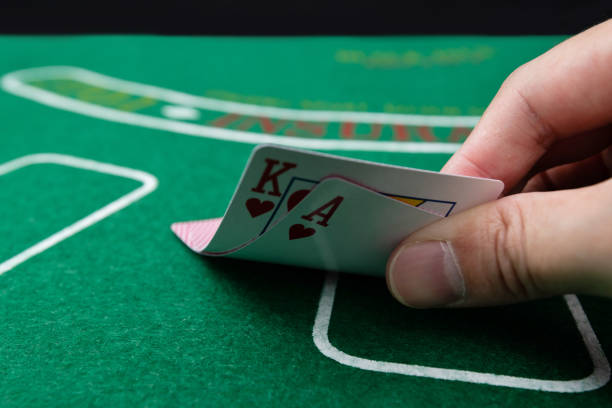
Another misunderstanding is the idea that casinos engage in deceptive practices to manipulate players. While casinos do employ marketing tactics that create a specific atmosphere designed to encourage spending, they are regulated establishments. Most gaming activities are monitored and audited to ensure fairness, meaning the games operate on predefined odds and rules, dispelling the notion of deliberate deceit.
Additionally, some players believe that they can find ‘hot’ or ‘cold’ tables based on observation. However, every game is based on randomness, and there are no guarantees of winning simply by watching others. By debunking these myths, players can redirect their focus toward understanding the games and strategies that can realistically improve their odds.
Exploring Resources for Casino Insights
For those interested in exploring the intricacies of casino gaming, numerous resources are available that delve into strategies, odds, and player psychology. These resources range from books written by professional gamblers to websites dedicated to providing detailed analyses of various games. Utilization of these resources can significantly enhance a player’s understanding and ultimately improve their gaming experience.
Furthermore, many casinos offer educational workshops and free seminars designed to teach new players the rules and best practices of different games. Participating in these programs can give players a solid foundation and a strategic edge before they even place their first bet. Continued learning about gameplay is key to making informed decisions in a casino setting.
Ultimately, combining the insights gained from these resources with personal experience creates a more comprehensive understanding of the casino landscape. Players who invest time and effort into learning are more likely to find success and enjoyment in their gaming endeavors. By approaching the casino experience with knowledge and strategy, individuals can maximize their chances of beating the odds, at least to some extent.
0 Comment